

Inclusive Ann Arbor

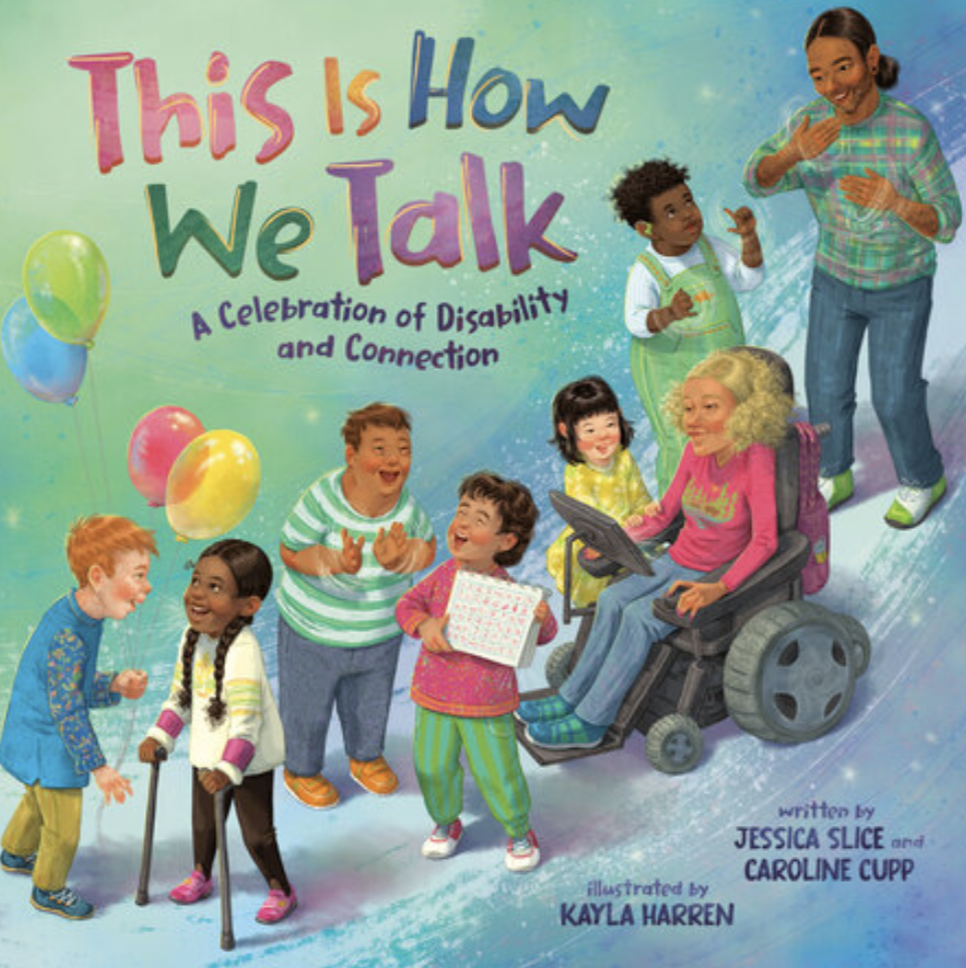

Glass Children are siblings of a disabled or neurodivergent child who are neglected due to the needs of their sibling. These children tend to grow up struggling to convey their needs, with more anxiety, and a sense of responsibility for their siblings at an early age.
It can be hard to find a balance if one of your children has medical needs that you have to meet, and the other doesn’t. It’s important to remember that medical needs are not the only needs a child has, and all of your children need attention. Here are a few ways to make sure your child without special needs has a fulfilling childhood.
Celebrate their accomplishments
I don’t just mean the big ones, like graduation or first jobs. Disabled children often celebrate small milestones because it’s necessary to keep their morale up. So, celebrate small milestones with your other child too.
Put up their paintings. Tell people about how well they’re doing in school. Celebrate their firsts, their seconds, their thirds. Go overboard for their first tooth falling out. None of this requires financial support, and it’s all about time and effort to make your child feel seen.
One on one time
Make sure your child is getting one on one time with their parents. This can be nights out, but it can be smaller moments too. Bedtime is a perfect example of a time that can be one on one. Bath time, some meals, car rides, movies at home. Make sure you’re carving time out that is only for your child with low needs.
Educate your children
Don’t keep your child in the dark. This can lead to misunderstandings and resentment. Explain your other child’s needs, why they need attention, and even consider giving them a task, if it’s easy, such as helping make specific meals. Letting them be a part of the care means that it’s the family working together.
That being said, never force it. If they aren’t in the mood to help, that’s fine too. Just have it as an option.
Plan for the future
As hard as it is, depending on your disabled child’s needs, they might need a caretaker after you are gone. Don’t rely on your other child for that. Have things set in advance so that the burden of care does not fall on anyone it shouldn’t.
If your child, as an adult, chooses to take on that care, that is up to them. But it should never be expected or considered unless they bring it up themselves.
Don’t bring them to every appointment
Hospitals can be daunting, and a little boring. Get a sitter during appointments so that they can have time outside of medical settings. Of course, with medical costs, this might not always be possible, but it’s important to at least, occasionally, let them realize they don’t need to be their every time. If you are a two parent household, you can also take turns going to appointments and staying with your child at home.
When you do bring them, bring things like coloring books and stickers to entertain them. Depending on the medical facility, there are sometimes kid friendly places for them to hang out as well. For example, Mott has little areas on most floors that I’ve been to. The cardiac / NICU floor is one of the largest, but there tend to be small spaces for families. Ask about them when you arrive, even if they are on a different floor. It can give your child something to look forward to.
Connect with other families
Let them make friends with families in similar situations, and let them vent. Let them be angry, let them connect with other children. It’s important for kids to have a vice, to communicate their feelings, and to have others that understand.
Nurture their sense of self
Make sure they discover who they are outside of their siblings. Spend time nurturing their interests. Give them opportunities to try new things, like sports or instruments. Let them fail and get back up.
This might seem so simple, but it can be hard day to day to add these things in when you’re juggling your other child’s needs. Meet other parents who can help with rides. Find things within walking distance. Whatever it takes.
Raising kids is a beautiful challenge, and it can be incredibly hard to balance your children’s needs. You’ll find the right balance and raise your kids quite well. At the end of the day, it comes down to love, attention, and effort. You got this.


