
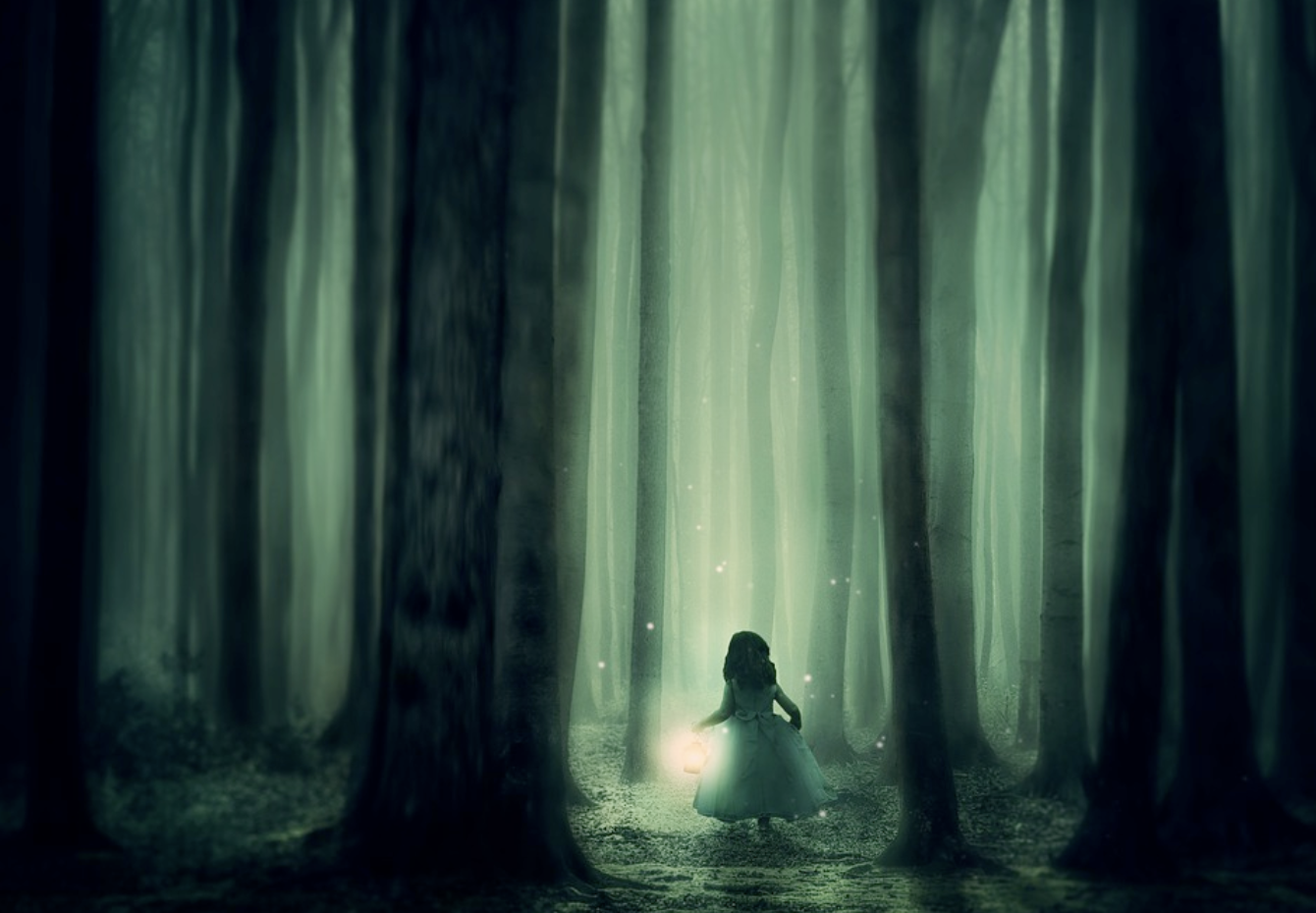
February 26 is Tell a Fairy Tale Day.
With the amount of pandemic upheaval and isolation in children’s lives the last several years, we need fairy tales more than ever.
Fairytales hold deeper meanings that introduce significant life lessons and critical thinking skills, helping the child’s psyche grow and developing their understanding of the world along with positive traits like courage and empathy.
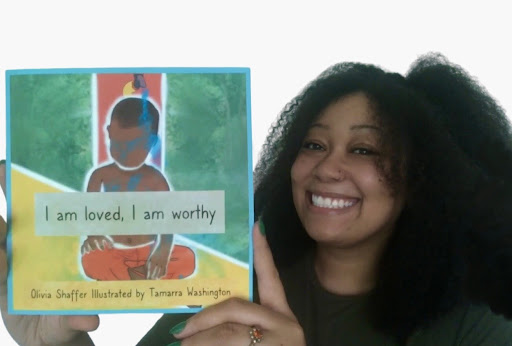
Tamarra Washington, an Ypsilanti-based social worker who has worked internationally and recently illustrated I am Loved, I am Worthy, notes that when a caregiver reads with their child, “Children and adults explore not only their imaginations, but themselves as they relate to the world around them. We need books now more than ever.”
With internet access or a library card, children and adults both are able to access a variety of fairy tales and stories, Washington says: “One of the best parts of children and adults engaging in reading time together is that it creates core memories that last a lifetime. We may be unable to travel the world right now, but by exploring books and stories, we can safely invite the world into our homes.”
Bring fairytales into your child’s life this month in these 7 delightful ways!
Get Dramatic
Read a fairytale and act it out with your child! Depending on your child’s age and skill level, you can act it out along with them as you read it, have them act it out as you narrate, or act it out from memory. Dramatic play encourages creativity and imagination, fosters social skills and compromise, and develops abstract thought.
Compare
Fairytales are renowned for a tale changing to meet the needs of their audience in various adaptations. Find two retellings of the same (or similar) tales and read them both with your child.
Use this opportunity to foster critical thinking and recall: ask them what differences they remember, and what occurrences remained the same throughout the tales? You can ask them why they think these changes may have been made, and which version they liked best.
Definition
What makes a fairytale a fairytale? Ask your child to share their favorite fairytale, and then unpack the elements that make it a fairytale.
Is it because it’s about a princess? A grand adventure? Killing a fearsome beast? What if certain elements of the tale changed? If the Beast remained a Beast, would it still be a fairytale? What if Sleeping Beauty had woken up and fought the witch herself? (There’s no right or wrong answer here: we are encouraging our child to think critically.)
Perspective
After reading a classic version, read a fractured fairytale, such as The True Story of the 3 Little Pigs or The Story of the Three Bears as Told By Baby Bear, and ask your child how each character has a different idea about the same story. Talk about the perspective of each participant.
Swap stories
Tell your child a fairytale and change the characters partway through. Have the Beast demand that the Big Bad Wolf come live with him. Take Snow White on a journey to a gingerbread cottage. How does that affect the story? What could happen next?
Get Hands-on with Science.
After reading about the Three Little Pigs, compare the structural stability of straw vs sticks vs bricks. Plant a bean and grow a beanstalk. See how thick an object has to be under couch cushions for your child to feel it. Make a witchy potion.
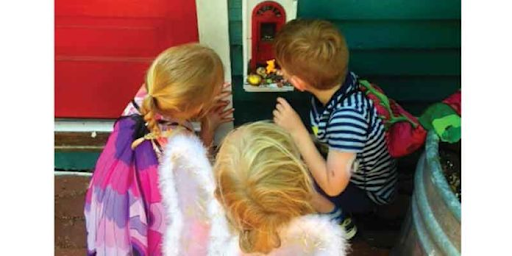
Go on an Ann Arbor Fairy Door tour!
Check out this list on local fairy doors you and your child can check out together. If you want, bring fun little gifts for the fairies to leave at the door, such as coins, a tiny colored picture, or a flower.


