
At seventeen, I learned what it meant to choke on my own lungs. Whooping cough left lasting scars in my lungs that led to my future diagnosis of asthma and still impacts my health today. I also caught rubella, a disease so rare now that a doctor I later dated said he’d never met anyone who’d had it in real life.
I was raised in a deeply anti-vaccine household, with few doctor visits and a profound distrust of “Big Pharma”.
This suspicion of modern medicine wasn’t born out of neglect. My mom loved her six kids fiercely, and believed that our bodies can heal themselves, if we stayed clean enough with the perfect diet and the right lives.
But whooping cough irreversibly damaged my lungs. I began coming down with bronchitis, then pneumonia, and no perfect blend of essential oils and garlic tinctures fixed it.
At 22, I developed debilitating gastrointestinal symptoms. I was always sick. I began realizing “natural” didn’t equal “healthy”, but I was still limited in seeking medical care until I turned 25, got my own health insurance, and finally experienced a cascade of diagnoses—asthma, vocal chord dysfunction, celiac disease, arthritis, generalized anxiety disorder.
I started medicines, I underwent procedures, I saw specialists. But this felt like reclaiming my power, not losing it to Big Pharma. Doctors didn’t take my autonomy away. They gave me the language for what I already knew was happening in my body: something wasn’t right.
But I learned that a distrust of doctors wasn’t unfounded when it comes to how doctors treat women and disabled people. I began seeking care from doctors and specialists at age twenty-five to find an answer for my gastrointestinal symptoms and my constant illnesses, but I found my symptoms often dismissed by doctors, or misdiagnosed. It took another four years to be accurately diagnosed with celiac disease.
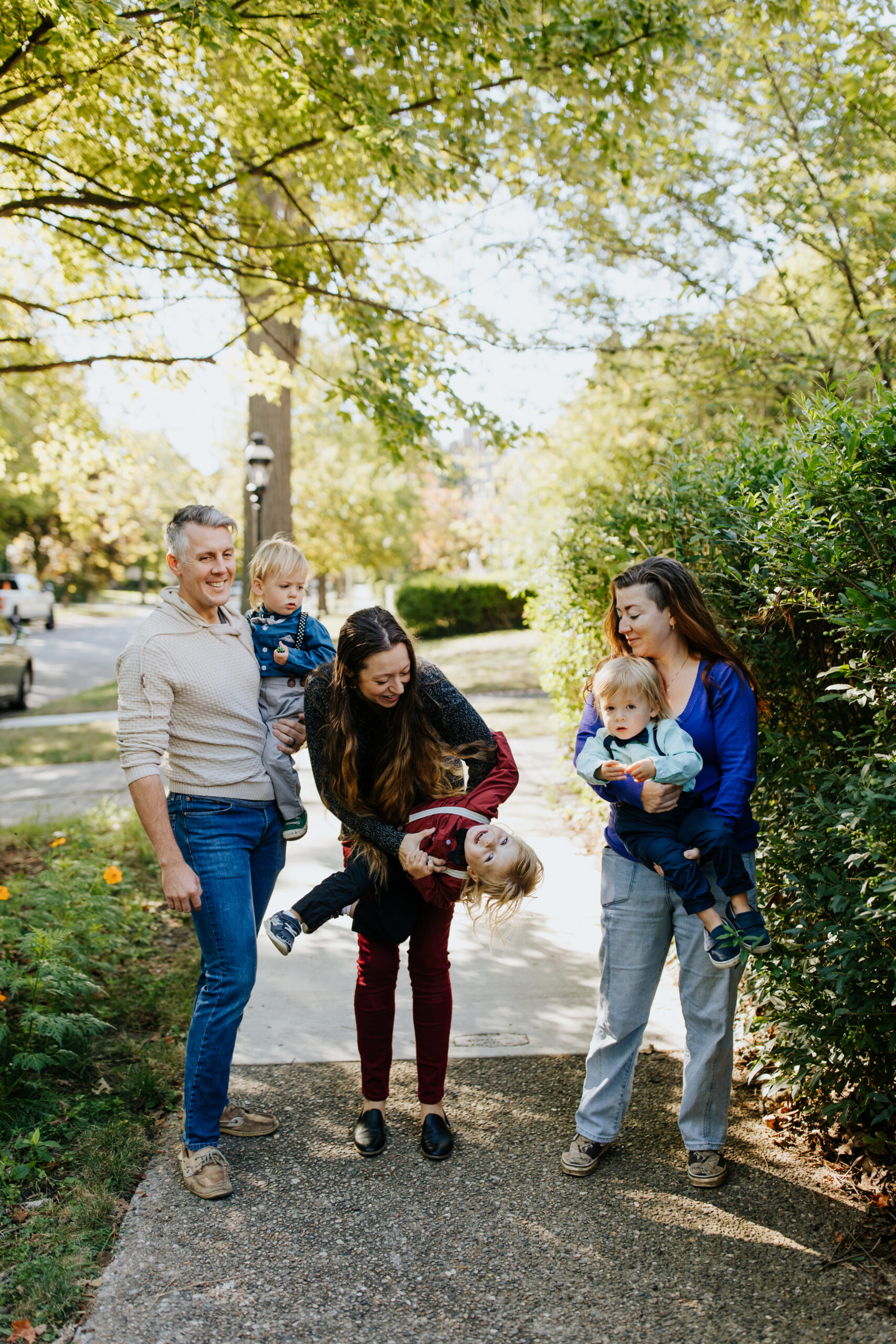
When I had my own children—twins and a singleton born at the same time, since my wife and I conceived together—the rush of intense fear I faced when my doctor asked to start them on the vaccine schedule was a moment of reckoning.
RELATED: Considering the HPV vaccine for your child?
Anti-vax language is so rooted in powerful emotional fear and scientific-sounding language that I experienced all the same fears my mother must have: this is so many injections for such a tiny body—and what if one of those horrible rare side effects happens to them?
But I signed the vaccine consent form so the ghosts of the diseases I should never have caught in the first place would never scar my children too.
Dr. Ghada Harsouni, a pediatrician at Honeybee Pediatrics, said, “Although I accept every patient into my practice regardless of their vaccine views, I still recommend getting children vaccinated. I love my style of practicing because it is based on Direct Primary Care membership. This means I take on 10X less amount the volume than a traditional fee for service pediatric offices. With this model, I spend hours with my patients, and I build trust.” Trust that is necessary when talking about something as potentially complex as concerns about vaccines.
With measles outbreaks and pertussis cases increasing, Harsouni wishes parents could be empowered with knowledge about these preventable diseases. Harsouni spoke to the very understandable parent fear of vaccine side effects, often sensationalized in the media: “I am confident to say, for almost 15 years of my practice (in high volume areas like NYC, Chicago and Detroit), I have not seen any vaccine injury aside from a local rash that is transient. What I have seen is horrible detrimental effects from measles—encephalopathy that is irreversible!”
Harsouni mentions a physician colleague who postponed the influenza vaccine, and on Christmas day her healthy four-year-old died from complications of the flu. “What most people don’t know is that healthy children can have devastating outcomes from the diseases.”
For parents who are worried about vaccines or who have other medical concerns, Dr. Harsouni recommends following PediMom, “She is a pediatrician who is very vocal about patient safety on a social network.”
For me, when my newborn Arden got an eye infection, I took him to the doctor immediately for antibiotics. When Conall developed feeding issues, I took him to a lactation consultant, an occupational therapist and also a gastroenterologist. When Arden developed breathing issues, I did both at-home breathing and tapping exercises with him and also took him to a pulmonologist.
They go to doctors regularly, I call their pediatrician when I have questions, and they’re on the regular vaccine schedule. And when they’re sick I use humidifiers and steam, honey and garlic, probiotics and supplements—and we focus on balanced nutrition in our meals (as much as we can with picky toddlers!).
It’s not an either/or for me. Natural medicine isn’t the enemy. The medical system has also failed me greatly, through ableism, sexism and classism.
I can still believe and use natural plants and nutrition and my intuition, but modern medicine is a tool too.
My children will grow up with an appreciation for herbs and natural remedies—but they’ll also grow up vaccinated. They’ll grow up—free of the harm that diseases like whooping cough can cause.


